Confused About Repairs? This Is How To Choose The Right
Author:Tooba
|
Released:January 17, 2026
Are you planning house repairs and feeling unsure about whom to trust with the job? Choosing the right contractor can make the difference between a smooth experience and a major headache. But with so many names out there, how do you know which one is right? Let's break down how you can make a confident choice, avoid common traps, and get your home fixed with peace of mind.
What Should You Look For Before Hiring A Contractor?
A good contractor does more than just complete a task—they provide clear communication, stick to deadlines, and leave no mess behind. Start by checking if they are licensed, insured, and have relevant experience with the type of repair you need. A solid track record matters more than a flashy website or a low quote.
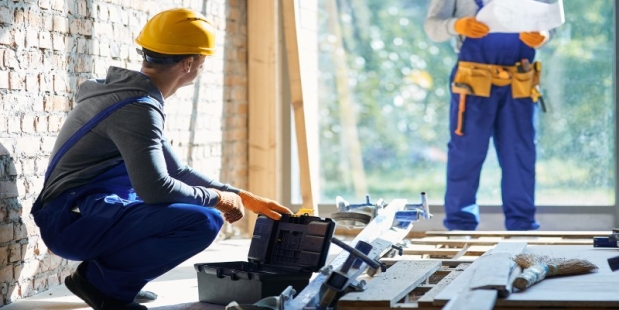
Ask yourself: Have they done this kind of work before? Can they provide photos or references from previous jobs?
If you're getting plumbing work done, for example, make sure the contractor has a background in plumbing, not just general handyman work. You don't want someone "figuring it out" as they go.
Insurance is another must. If an accident happens on your property and the contractor isn’t insured, you could be liable for injuries or damage. Always ask for proof of insurance and licensing up front.
How Many Quotes Should You Get—And What Should You Compare?
Don’t settle for the first estimate you receive. Get at least three quotes from different contractors. But don’t just compare numbers—look closely at what’s included.
One quote may look cheaper at first glance, but it could be missing key details like materials or cleanup services. Another may seem high, but if it includes a longer warranty or higher-quality supplies, it may actually be a better value.
Go beyond just price. Compare the timelines, terms of payment, materials being used, and the estimated completion dates. Ask for a detailed, written breakdown of all costs—this is how you avoid unexpected expenses later on.
What Are The Signs Of A Reliable Contractor?
Good contractors are clear, organized, and not in a rush to pressure you into signing a contract. They take time to answer your questions and explain their process.
Here are a few key things to observe:
- They provide references without hesitation. A trustworthy contractor will gladly give you contact details of previous clients.
- They don’t demand full payment upfront. Most contractors ask for a deposit—usually around 10–30%—and schedule the rest based on milestones.
- They give realistic timelines. If someone promises to finish a complex job in a single day, be cautious.
- They are responsive. If they take days to reply during the planning phase, it’s unlikely they’ll be communicative once the job starts.
Professionalism shows in small things, too—do they show up on time for the estimate visit? Do they listen carefully and take notes? These details matter.
Can Online Reviews Be Trusted?
Reviews help, but they don’t always tell the full story. A few five-star ratings on a business directory site might not mean much if they are vague or repetitive.
Look for reviews that go into detail. Are people mentioning that the contractor cleaned up thoroughly, respected deadlines, or returned to fix small issues after the job was done?
Pay attention to patterns. One bad review isn’t a deal-breaker, but if several people mention no-shows or poor communication, take it seriously.
Also, try to find reviews across more than one platform. Check Google, Yelp, and any regional contractor directories. If they have a website, see if it includes testimonials with photos of completed work.
Should You Always Sign A Contract?
Yes—every job should have a written agreement. A verbal agreement leaves too much room for confusion or disagreement later.
A proper contract should include:
- Description of the work being done
- Estimated start and finish dates
- Payment schedule
- Types of materials being used
- Warranty information
- Cleanup responsibilities
- Who pulls the permits (if needed)
Never begin any work without signing a contract. This protects both sides and ensures you’re on the same page about expectations.
What Are Some Common Red Flags To Avoid?
Be cautious if a contractor:
- Asks for full payment before starting work
- Offers a much lower price than everyone else
- Won’t provide written estimates or a contract
- Only accepts cash
- Uses vague language like "we'll see how it goes."
- Has no online presence or references
Some contractors may even tell you permits aren’t needed when they are. Always double-check with your local building office if you’re unsure.
Another warning sign is someone who knocks on your door offering repair services, especially after storms or natural events. Many homeowners fall victim to scams this way.
Is It Better To Choose A Local Contractor?
Yes, in most cases. Local contractors are easier to reach and more likely to be familiar with regional building codes and weather-related needs. They also care more about maintaining a good reputation in the community, which often means better accountability.
If something goes wrong or you need additional repairs down the line, a local contractor is more likely to respond quickly. National chains or out-of-town crews may disappear once the job is over.
What Role Does Communication Play?
Strong communication helps prevent misunderstandings. You want someone who can explain the repair process in plain terms, answer your questions with patience, and keep you updated throughout the job.
Set clear expectations early. If you want daily updates or photo progress reports, say so before work begins. If they miss an agreed-upon check-in, follow up promptly.
A contractor who communicates well from day one is more likely to follow through on everything else, too.
How Do You Prepare Before The Work Begins?
Once you’ve selected your contractor and signed a contract, prepare your space for the work.
- Clear furniture or valuables from the area
- Make arrangements for pets or kids if needed
- Confirm what hours the crew will be working
- Ask how noise or dust will be managed
- Make sure all permits have been approved
If you're staying in the house during the repairs, ask how it may affect your day-to-day life. Will water or electricity be turned off temporarily? Will certain rooms be off-limits?
The better you prepare, the smoother the process.
When Should You Say No And Walk Away?
If anything feels off—rushed pressure to sign, refusal to provide credentials, or evasive answers—trust your instinct. It’s better to delay repairs than to deal with poor workmanship or a contractor who won’t be held accountable.
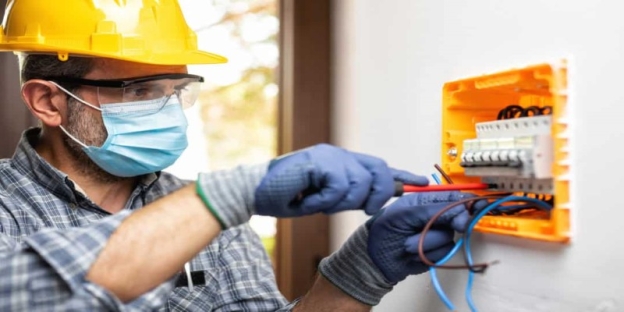
Remember, you’re not just hiring someone for a task. You’re inviting them into your home and trusting them to do quality work. If you feel uneasy, keep looking.
How Do You Know You Made The Right Choice?
The best sign is peace of mind. Your contractor shows up on time, communicates clearly, does what they promised, and leaves your space better than they found it.
Good contractors often get repeat business and referrals because they leave a positive impression. When the work is done and your home feels safe, sturdy, and exactly how you wanted it, that's when you know you chose well.
You May Like

Home Buying & Selling
First-Time Buyer Grants: How to Unlock Free Cash

Home Buying & Selling
9 Helpful Tips To Stage Your Home For A Quick Sale

Homes for Rent
Avoiding Rental Scams: Red Flags Every Renter Should Know

Real estate
6 Ways to Make Your Home More Attractive to Potential Buyers

Commercial Real Estate
Emerging Real Estate Markets You Should Keep An Eye On For 2025